

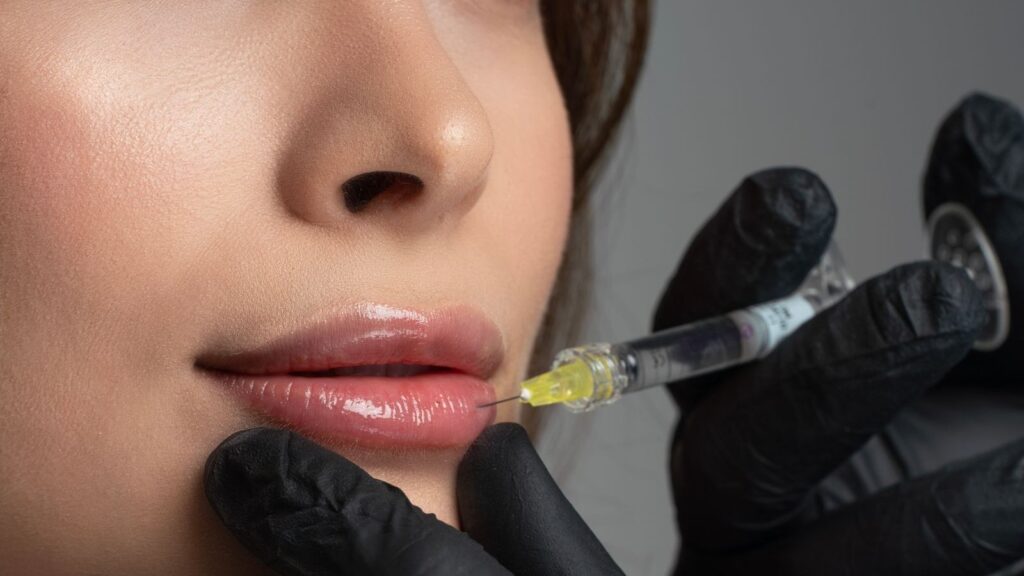
Lip filler migration happens when injected filler moves or spreads beyond its intended placement area. It may create fullness above the upper lip, blur the natural lip border, or produce an uneven appearance. Factors such as excessive filler volume, repeated treatments, injection technique, and individual anatomy may contribute to migration.
“Will my lip filler migrate?” has become a common concern during injectable consultations, particularly among patients who have seen photos of the so-called “filler mustache.”
Lip filler migration is a recognized complication, but it does not happen to everyone. Not every visible change above the upper lip is true migration. Understanding the causes, warning signs, and prevention strategies can help patients make informed decisions about treatment.
What Is Lip Filler Migration, and What Does It Look Like?
Lip filler migration occurs when filler material is found outside the area where it was intended to remain. Around the lips, it may appear as unusual fullness above the vermilion border, a blurred lip outline, or projection that changes the intended shape.
Common signs that may suggest lip filler migration include:
- Fullness or a raised appearance above the upper lip.
- A blurred or less defined natural lip border.
- Uneven volume around the treated area.
- An unnatural projection or change in lip shape.
However, these signs do not always confirm migration.
Swelling immediately after treatment can temporarily resemble migrated filler. Excessive product placed within the intended area may also create an overfilled appearance without actual migration.
Patients should avoid judging their final results during the initial swelling period. Persistent or concerning changes should be assessed by a qualified medical professional.
What Causes Lip Filler Migration?
Lip filler migration may result from several interacting factors, including excessive product volume, repeated filler treatments, inappropriate placement, product characteristics, individual anatomy, and tissue movement.
Potential contributing factors include:
- Too much filler placed within a limited area.
- Repeated filler injections without evaluating existing product.
- Injection into an inappropriate tissue plane.
- Filler characteristics that affect how the product spreads.
- Individual lip anatomy and surrounding tissue behavior.
- Pressure and movement affecting the treated area over time.
It is rarely as simple as blaming one syringe or a single injection technique.
An experienced injector should evaluate facial proportions, lip structure, existing filler, and treatment goals before recommending additional volume.
Can Too Much Lip Filler Cause Migration?
Yes, excessive lip filler volume can contribute to product migration or create an overfilled appearance that resembles migration. The lips have limited space, and repeatedly adding volume without considering natural anatomy may affect the final shape.
Overfilling can blur the lip border, create unnecessary projection, and disrupt the balance between the upper and lower lips.
This is one reason a conservative initial treatment may be preferable to attempting a dramatic transformation in a single appointment.
Additional filler can be considered once swelling resolves and the results are assessed. Correcting an overfilled appearance, however, may require a separate procedure.
Can Old Lip Filler Contribute to Migration?
Yes, previously injected lip filler can contribute to an overfilled or distorted appearance when new product is added without assessing what remains.
Patients sometimes assume their filler has completely disappeared because a year has passed. In reality, filler longevity varies, and some product may remain longer than expected.
If residual filler is still present, adding a full new syringe may produce a different outcome than treating lips that have never received filler.
A qualified injector should consider the patient’s previous treatment history, current lip shape, and existing volume before recommending additional injections.
The amount of time since the last appointment should not be the only factor guiding treatment decisions.
How Can You Reduce the Risk of Lip Filler Migration?
The risk of lip filler migration may be reduced through conservative treatment planning, appropriate product selection, careful injection technique, and an individualized assessment of lip anatomy.
Although no injector can guarantee that migration will never occur, several practices may help reduce the risk:
- Use conservative filler volume: Avoid adding more product than the lip anatomy can reasonably accommodate.
- Choose an appropriate filler: Product characteristics should match the treatment area and intended result.
- Respect natural lip anatomy: Maintain appropriate proportions and the natural lip border.
- Use careful injection techniques: Placement should be guided by anatomy and clinical judgment.
- Avoid unnecessary layering: Evaluate existing filler before adding more.
- Allow swelling to settle: Do not rush into additional treatment before assessing the initial result.
- Reassess previous filler: Existing volume or distortion may need attention before further enhancement.
Conservative planning is particularly important for patients who have had multiple previous filler treatments or are concerned about maintaining natural-looking lips.
What Should You Do if Your Lip Filler Has Migrated?
If you suspect your lip filler has migrated, arrange an assessment with a qualified medical injector rather than automatically adding more filler to conceal the change.
The appropriate approach depends on the filler type, its location, the amount present, and the patient’s desired outcome.
For hyaluronic acid fillers, an enzyme called hyaluronidase may be used to break down some or all of the filler when clinically appropriate.
Sometimes only part of the filler needs to be addressed. In other cases, the best approach may involve dissolving existing filler, allowing the area to settle, and considering a new treatment plan with a smaller amount.
Not all types of filler can be dissolved with hyaluronidase, and the procedure itself requires professional assessment.
Important: Sudden severe pain, unusual skin blanching or discoloration, or vision changes after filler injections are not typical signs of routine cosmetic migration. These symptoms require immediate medical attention because they may indicate a serious vascular complication.
Why Should Natural Lip Filler Preserve Your Lip Shape?
Natural-looking lip filler should enhance existing lip proportions without unnecessarily changing the relationship between the upper lip, lower lip, cupid’s bow, side profile, and surrounding facial features.
The most flattering results generally respect the patient’s individual anatomy rather than following a fixed amount of filler for everyone.
For this reason, half a syringe or one syringe should never be treated as a universal aesthetic formula.
An individualized treatment plan considers existing filler, facial proportions, personal preferences, and the amount of enhancement that can be achieved without creating an overfilled appearance.
Lip Filler Consultations in Allen, TX
The Spa by RescueMD offers dermal filler treatments in Allen, TX for patients from Allen, Frisco, McKinney, Plano, and surrounding North Dallas communities.
If you have previously received lip filler, bring your treatment history whenever possible. Useful information includes the filler product, approximate amount, treatment dates, and any previous complications.
An individualized consultation helps your injector evaluate your current lip shape, discuss concerns about migration, and determine whether additional filler or another approach is appropriate.
Location: The Spa by RescueMD, 945 Stockton Dr., Suite 6140, Allen, TX 75013
Phone: 972-332-4397
Frequently Asked Questions About Lip Filler Migration
How soon can you tell if filler migrated?
Lip filler migration may become noticeable after the initial swelling has settled, but the timing varies. Swelling during the first few days can resemble migration, so it is important not to judge the final result too early. Persistent fullness outside the intended lip border after healing should be evaluated by a qualified injector.
Can migrated filler be dissolved?
Yes, migrated hyaluronic acid lip filler can often be dissolved or reduced using hyaluronidase. However, treatment depends on the filler type, its location, and individual circumstances. Not all fillers respond to hyaluronidase, and some patients may require additional assessment or treatment.
Does massaging prevent migration?
No, massaging lip filler is not a reliable way to prevent migration. Patients should not massage or manipulate treated areas unless their injector specifically recommends it. Unnecessary pressure is not a substitute for appropriate filler placement and individualized treatment planning.
Schedule a Lip Filler Consultation in Allen, TX
If you are considering lip filler but are concerned about migration or an overfilled appearance, a professional consultation can help you understand your options.
The Spa by RescueMD offers individualized dermal filler consultations focused on facial proportions, existing filler, and realistic treatment goals.
